The History of Costumes and Masking in New Orleans

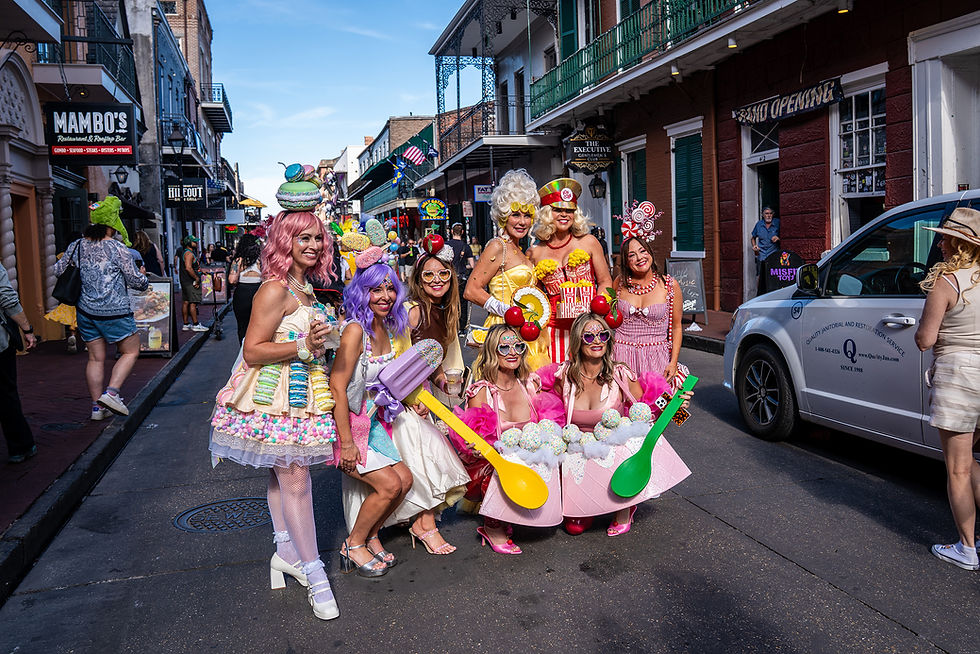
In New Orleans, putting on a mask is never just about hiding your face. It’s about transformation. Liberation. Celebration. It’s tradition.
From the satin-cloaked mystery of Mardi Gras krewes to the ghoulish glamour of Halloween revelers, the Crescent City has a centuries-old love affair with dressing up—and dressing out. Here, costumes aren’t costumes—they’re identities with sequins.
Let’s unmask the story behind this fabulous obsession and see how Mardi Gras traditions paved the way for Halloween creativity that’s uniquely, unapologetically New Orleans.
🎭 Mardi Gras: Where the Masking Magic Began
The roots of costuming in New Orleans trace back to 18th-century French and Spanish colonial rule, when masked balls and elaborate disguises were imported from Europe. By the 1800s, Mardi Gras had evolved into a fully costumed celebration, complete with secretive krewes, handmade masks, and the belief that—for one day—the world turned upside down.
People masked to conceal their identity, blur class lines, mock the powerful, or just let loose. And it stuck. The tradition became so essential that in 1875, Louisiana made Mardi Gras a legal holiday—and masking was forever woven into the cultural fabric.
🎃 Halloween: The Spooky Sibling of the Carnival Season
While Mardi Gras ruled winter, Halloween crept in as its costumed cousin in the fall. By the early 20th century, Halloween was celebrated quietly in New Orleans homes—more apple-bobbing than bone-chilling. But over time, the city's love of performance, pageantry, and the supernatural turned October 31 into a second season of disguise.
The French Quarter—with its haunted legends, voodoo roots, and year-round theatrical energy—was the perfect stage. By the late 20th century, Halloween in New Orleans had become a full-scale costume affair: part horror movie, part drag show, part Gothic opera.
👻 From Royal Robes to Ripped Fishnets: Costume Culture Evolves
Mardi Gras masks tend to be regal, mysterious, and symbolic: feathered masks, Renaissance garb, jesters, kings, queens, and gods.
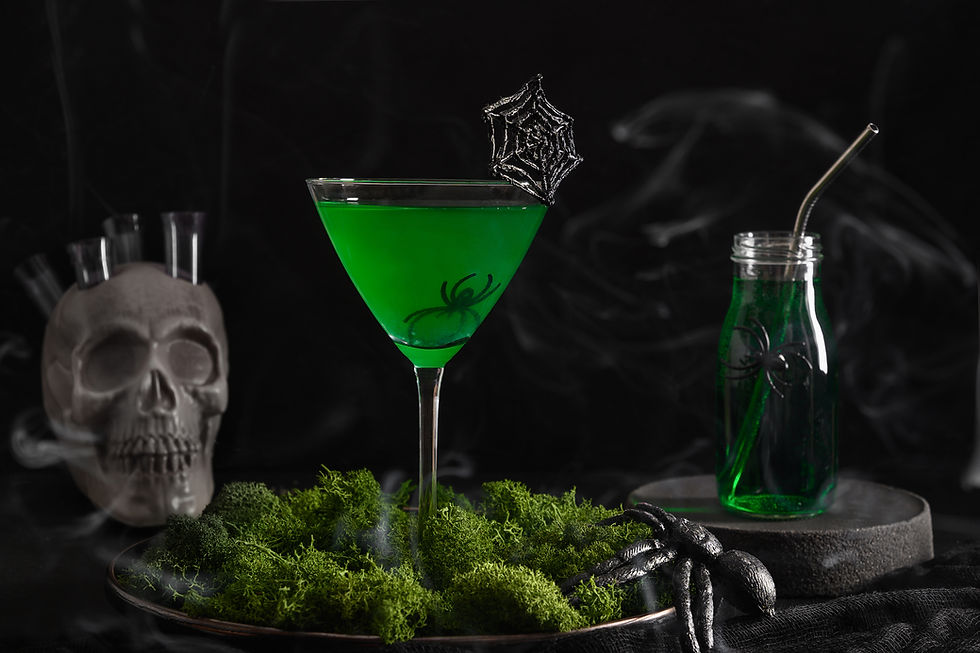
Halloween costumes lean into the outrageous and the eerie: vampires with LED fangs, voodoo priestesses in sequins, zombie Marie Antoinettes, swamp monsters with fog machines in tow.
But both share a core New Orleans trait: extra. Always extra.
🧛 Krewe of BOO!: Where the Two Traditions Collide
When the Krewe of BOO! launched New Orleans’ first official Halloween parade, it didn't invent the concept of costuming—it amplified it. Think: Mardi Gras-style floats, Halloween-themed throws, and krewe members decked out like glittering demons, disco ghosts, and swamp witches with strobe-light staffs.
It’s Carnival meets Creepshow, and it’s everything New Orleans loves: flair, fantasy, and full-throttle imagination.
🎨 The Art of the Disguise, Crescent City–Style
In New Orleans, the line between masking for Mardi Gras and costuming for Halloween is deliciously blurry. People reuse, rework, and restyle their wardrobes year-round:
That Mardi Gras cape becomes a vampire cloak.
That king’s crown now sits atop a zombie’s head.
That sequin bodysuit? Add horns and it's now “Disco Devil.”
Here, costuming isn’t reserved for special occasions—it’s a creative lifestyle.
🕯️ Why We Mask: Joy, Power, and a Little Mystery
Whether you're hiding behind a feathered mask in February or painting your face like a skull in October, masking in New Orleans is about freedom. It’s permission to become someone—or something—else. It’s a celebration of self-expression, theatricality, and the beautiful weirdness that makes this city pulse with life.
So this Halloween, as you slip on your wig, your cape, or your custom-built LED skeleton suit, remember: You're part of a long, legendary tradition of New Orleanians who believe that a little mystery makes the world more magical.
🎭 From Mardi Gras monarchs to Krewe of BOO! monsters, the mask always fits in New Orleans.